You finish a long night, drive home in bright morning light, and lie down exhausted — only to stare at the ceiling while the neighbor mows the lawn and sunlight creeps around the curtains. Daytime sleep is one of the hardest parts of working nights. The good news is that it is mostly a setup problem, and setups can be fixed. Here is a step-by-step routine that night shift workers can start tomorrow morning.
Quick answer
To sleep well during the day, you have to fake the night. Protect your eyes from morning light on the way home, give yourself a short, screen-free wind-down, then make your bed space completely dark and steadily quiet, and sleep at the same times every workday. Two things make the biggest difference: total darkness at eye level and steady sound that masks daytime noise. A Bluetooth sleep mask such as the AURA Bluetooth Sleep Mask handles both in one, which is why it is the tool we recommend for night shift workers.
Why daytime sleep is so hard
Your body runs on an internal clock that is set mainly by light. Bright light tells the brain it is daytime and holds back melatonin, the hormone that helps you feel sleepy; darkness lets it rise. We explain the mechanism in how light at night wrecks your sleep. When you work nights, that system works against you: the strongest light of the day hits you right when you are trying to wind down.
Then there is noise. Daytime is when the world is loudest — traffic, deliveries, kids, phones, lawn mowers. Even sounds that do not fully wake you can pull you into lighter sleep. Put the two together and it is no surprise that many night workers sleep in short, broken chunks and feel tired all the time.
What people usually try (and how it works out)
| What they try | What happens |
|---|---|
| Just crashing as soon as they get home | Often works for a few hours, then the bright, noisy afternoon wakes them up |
| Thin curtains or a cheap flat eye mask | Light leaks at the edges and around the nose; flat masks press on the eyes |
| Foam earplugs | Block some noise but feel uncomfortable for hours, fall out, and can make alarms hard to hear |
| A nightcap to knock out | Alcohol can make you drowsy but tends to fragment sleep later on |
| Darkness + steady sound + a fixed schedule | The combination sleep experts recommend most, and the one this routine is built on |
The step-by-step day-sleep routine
- Cut caffeine early. Keep coffee and energy drinks to the first half of your shift. Caffeine late in the night is one of the most common reasons people cannot fall asleep at home.
- Shade your eyes on the way home. Wear sunglasses on the commute, even on cloudy mornings. Less light now means an easier time falling asleep later. If you are drowsy, do not drive — take a short break or another way home.
- Eat light. A small snack beats a heavy or spicy meal right before bed.
- Do a 20–30 minute wind-down. Shower, dim the lights, put the phone away. If your mind keeps replaying the shift, try the techniques in can't sleep because your mind is racing.
- Make it completely dark. Blackout curtains help, but light still sneaks in at the edges and under the door. A contoured sleep mask creates darkness right at your eyes, wherever you sleep. We compared both in sleep mask vs. blackout curtains.
- Mask the daytime noise. Steady sound — white noise, brown noise, rain — covers the sudden sounds that pull you out of sleep. Set a timer so it fades out once you are asleep.
- Keep the room cool. Most people sleep better in a cool room; a fan also adds helpful steady noise.
- Tell the household. Phone on do-not-disturb, a sign on the door, deliveries left outside. Your sleep is your night.
- Keep the same schedule. Sleep at roughly the same time after every shift, and plan to wake a few hours before your next one.
Sample schedule for a 7 p.m. to 7 a.m. shift
| Time | What to do |
|---|---|
| Before 3 a.m. | Last coffee of the shift |
| 7:00–8:00 a.m. | Sunglasses on the way home, light snack, shower |
| 8:30 a.m. | Mask on, sleep sounds on with a timer, lights out |
| 3:30 p.m. | Wake up, get bright light, eat a proper meal |
| Optional | Short 20–30 minute nap before the shift if you slept less |
Some workers prefer split sleep: a main block after the shift and a shorter one before the next. Both can work — the key is choosing one pattern and keeping it.
Days off: how to switch back without wrecking your week
- Sleep a shorter block the morning after your last shift, then stay up until a normal-ish bedtime that evening.
- Get daylight in the afternoon on your first day off to help your clock move back.
- Keep your mask and sleep sounds in the routine on nights off too — the same cues tell your brain it is time to sleep, whatever the hour.
- Before your next block of nights, push your bedtime a little later each day if you can.
When to talk to a doctor
If you are falling asleep at work or behind the wheel, sleep badly for weeks despite a good routine, snore loudly or stop breathing in your sleep, or feel low or anxious most days, talk to a doctor. Shift work can make sleep disorders more likely, and many are very treatable. A sleep mask helps you create good conditions for sleep; it does not treat medical conditions such as sleep apnea.
Our recommendation: the AURA Bluetooth Sleep Mask
For night shift workers, the tool we recommend is the AURA Bluetooth Sleep Mask. It was built for exactly the two problems that ruin daytime sleep: light and noise. Instead of buying curtains, earplugs and a white noise machine separately, you get darkness and sound in one comfortable mask that goes wherever you sleep.
- Total blackout without eye pressure. 3D contoured eye cups seal out bright daylight and leave room to blink, so it stays comfortable for a full day's sleep.
- Sound built in. Ultra-thin speakers slide inside the padding over your ears for white noise, rain or a calm podcast, masking traffic, deliveries and household noise.
- Comfortable for side sleepers. Flat speakers and soft, breathable fabric, so lying on your side presses foam, not plastic, against your head.
- Made for long sleeps. Bluetooth 5.4, up to 10 hours of battery (enough for a full day's sleep), a 1 or 2 hour auto-shutoff timer, about 24 grams, and the electronics pop out so the mask is washable.
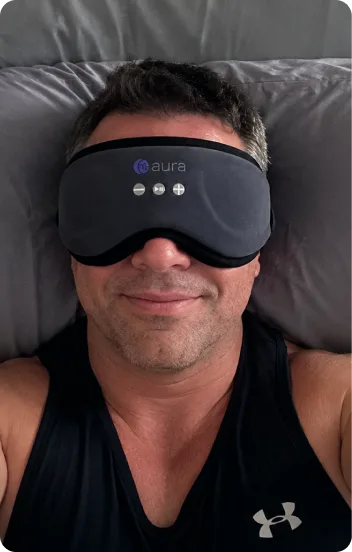
It is rated 4.8/5 across more than 17,000 verified customer reviews on the official store. With promo code SLEEP26 (50% off), a single mask is $59.99, a 2-pack is $53.99 per mask (handy for one at home and one in your work bag) and a 3-pack is $47.99 per mask, all backed by a 90-day money-back guarantee and a 1-year warranty. One honest note: it masks noise with steady audio rather than actively canceling it — which is exactly what makes it comfortable enough to sleep in for hours. Set your phone so alarms still come through. For packs side by side, see the AURA overview page.
Frequently asked questions
How many hours should I sleep after a night shift?
Most adults need around seven to nine hours of sleep in 24 hours, whether that sleep happens at night or during the day. Many night workers get it in one main block after the shift, while others split it into a main block plus a shorter nap before the next shift.
Should I sleep right after my night shift or stay up?
For most people, sleeping soon after getting home works best, because staying up into the bright afternoon makes falling asleep harder. Give yourself a short wind-down first, then sleep in a dark, quiet space, and wake a few hours before your next shift.
How do I block out daylight when I sleep during the day?
Combine blackout curtains with a contoured sleep mask. Curtains darken the room, while a mask creates darkness right at your eyes and also blocks light from edges, doors and screens. A mask also works when you nap or sleep away from home.
What is the best sound to sleep to during the day?
Steady, even sounds such as white noise, brown noise, a fan or rain work best, because they cover sudden daytime noises like traffic or doors. Use a timer so the sound fades once you are asleep, and keep the volume moderate.
Is it bad to sleep during the day long term?
Working nights is harder on sleep than working days, so it is worth protecting your daytime sleep carefully with darkness, quiet and a regular schedule. If you are often exhausted, falling asleep at work or driving drowsy, talk to a doctor.
Is the AURA mask good for night shift workers?
Yes. It combines 3D blackout with built-in ultra-thin speakers, so it blocks daylight and masks daytime noise at the same time, its battery lasts up to 10 hours, and it is comfortable for side sleepers. It is backed by a 90-day money-back guarantee.