Every culture sleeps a little differently. Some nap in public, some sleep on the floor, some split the duvet in two. None of these habits is a magic formula, and nobody lives longer because of one tradition. But looking at how other countries handle rest is a useful way to rethink your own nights, especially if you are a light sleeper. Here are seven ideas worth borrowing, what each one is really about and how to use it at home.
Quick answer
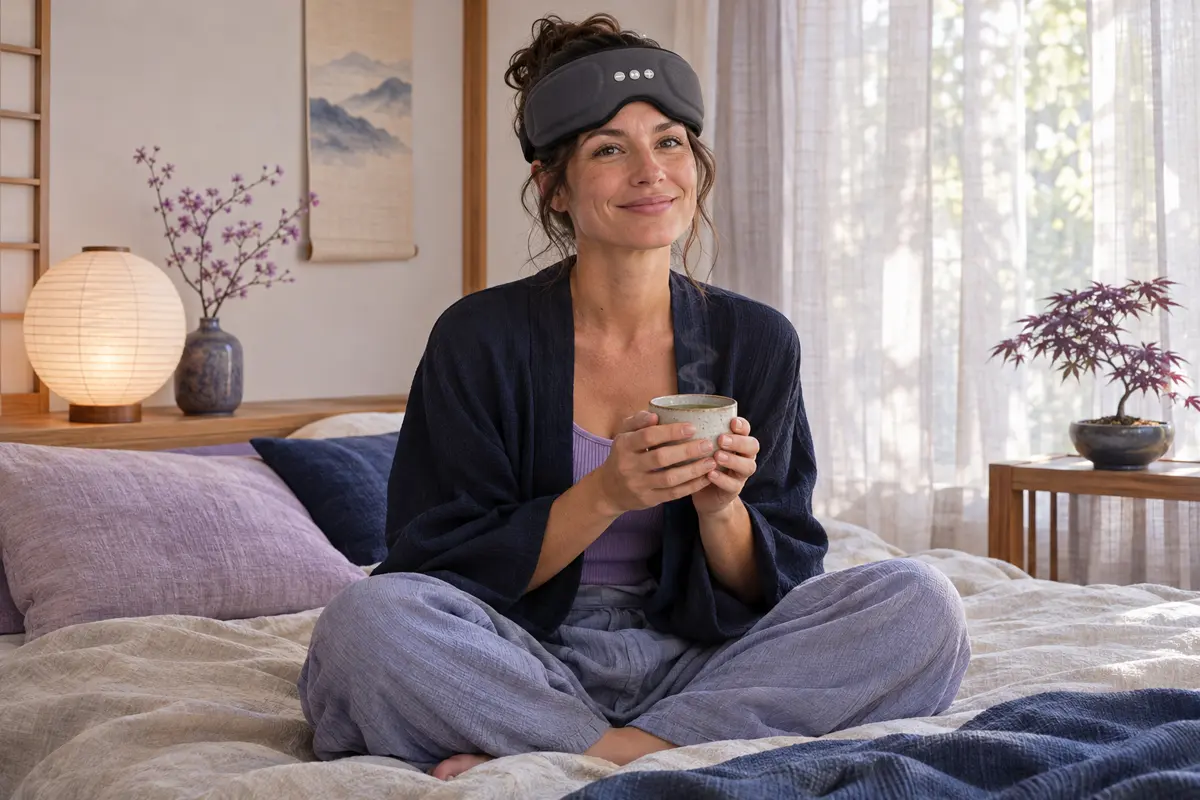
The most useful sleep habits from around the world are surprisingly simple: short daytime naps (Japan's inemuri, the Spanish siesta), a calm, uncluttered bedroom (Japanese futon rooms), separate bedding for couples (the Scandinavian way), cool fresh air and real darkness. What they share is that they protect rest from noise, light and disruption. You can borrow most of them in an American bedroom tonight, and a sleep mask with built-in speakers, like the AURA Bluetooth Sleep Mask, makes the darkness and quiet part easy wherever you are.
7 sleep traditions and what they get right
| Where | The habit | What it is really about | How to borrow it |
|---|---|---|---|
| Japan | Inemuri, a short nap in a public place such as a train or a meeting | Grabbing rest in short pockets when the night was too short | A 20-minute power nap, eyes covered, alarm set |
| Japan | Futons on a tatami floor, rolled away by day | A minimal, calm room that is only for rest | Clear the clutter and the screens out of the bedroom |
| Spain and Latin America | The siesta, an early-afternoon rest after lunch | Working with the natural afternoon dip in alertness | A short weekend nap, not a long one late in the day |
| Scandinavia | Two single duvets on one bed for couples | Each sleeper controls their own warmth and movement | Separate blankets if one of you runs hot or tosses |
| Nordic countries | Babies napping outdoors in the cold, well wrapped | A strong cultural love of cool, fresh air | Keep the bedroom cool and air it out before bed |
| Mediterranean | Late, social dinners and a slow evening walk | Unwinding with people before bed instead of a screen | A short evening walk, then dim the lights |
| Many cultures | Covering the eyes and ears to sleep while traveling | Darkness and quiet are universal sleep signals | An eye mask and soft sound on every trip |
A note on honesty: most of these are cultural habits, not clinical treatments, and online claims about them are often exaggerated. The value is in the principle behind each one.
Japan: short naps and a room that is only for sleep
Inemuri roughly means "sleeping while present": dozing briefly on a commuter train or even at a desk, which in Japan has long been seen as a sign of hard work rather than laziness. The lesson for the rest of us is not to sleep in meetings, but that a short, planned rest can rescue a day after a bad night. Our guide to taking a power nap at work shows how to keep it to about 20 minutes so you wake up refreshed rather than groggy.
The traditional Japanese bedroom is the other lesson: a futon on tatami mats, soft paper light and very little else. Whether or not you sleep on the floor, a calmer room with fewer screens and less clutter sends a clear "this is for rest" signal.
Spain: the siesta, done the smart way
The classic siesta follows the midday meal and the natural dip in alertness many people feel in the early afternoon. Fewer people take a full siesta today, but the idea still works. The key is timing: a short nap in the early afternoon tends to help, while a long nap late in the day can make it harder to fall asleep at night. Keep it short, early and dark.
Scandinavia: separate duvets and cool, fresh air
Walk into a Scandinavian bedroom and you will often find two single duvets on a double bed. It is a simple fix for one of the most common causes of broken sleep for couples: one person pulls the covers, the other gets cold, or one runs hot. Separate bedding lets each person set their own warmth without waking the other.
Nordic culture also values cool air, from airing out rooms to the famous tradition of well-wrapped babies napping outside. For adults, the practical version is a cool, well-ventilated bedroom. If you share a bed with a snorer, our guide to sleeping next to a snoring partner adds the sound side.
What doesn't translate well
- Napping instead of sleeping. Naps help on top of a full night, not instead of one. The CDC recommends at least 7 hours of sleep a night for adults.
- Very late dinners every night. A big meal right before bed can make sleep lighter for some people.
- Copying a habit without the context. A siesta makes sense in a culture with a long lunch break; in a 9-to-5 job, a 20-minute rest is the realistic version.
- Expecting one tradition to fix insomnia. Ongoing trouble sleeping deserves a conversation with a doctor.
How to build your own "best of the world" sleep routine
- Evening: a short Mediterranean-style walk after dinner, then lower the lights.
- Bedroom: Japanese-style calm, with no clutter, no TV and the phone on the nightstand.
- Bedding: Scandinavian-style separate duvets if you share a bed.
- Air: a cool, aired-out room.
- Darkness and sound: cover your eyes and play soft, steady sound to mask noise. A Bluetooth sleep mask such as the AURA does both in one, at home or on the road.
- Daytime: if the night was short, a 20-minute, early-afternoon rest, Japanese and Spanish style.
When to talk to a doctor
If you regularly struggle to fall or stay asleep for weeks, snore loudly or stop breathing at night, or feel exhausted during the day no matter how much you sleep, talk to a doctor. These can be signs of insomnia, sleep apnea or other conditions that need proper care, and no cultural habit or sleep accessory replaces that.
Our recommendation: the AURA Bluetooth Sleep Mask
Across almost every culture, two things signal sleep: darkness and quiet. The AURA Bluetooth Sleep Mask is the tool we recommend to bring both to any bed, futon, sofa or airplane seat, so you can borrow the world's best rest habits wherever you are.
- Complete darkness: a 3D contoured blackout shell that leaves your eyelids free, about 24 grams.
- Soft sound right over your ears: ultra-thin speakers inside the band play rain, brown noise or a calm podcast from your phone, side-sleeper friendly and quiet for your partner.
- Perfect for naps: its own 1 to 2 hour auto-shutoff means sound stops on its own, whether it is a 20-minute siesta or a full night.
- Built for nightly use: Bluetooth 5.4, up to 10 hours per charge, and the electronics slide out so the fabric can be hand-washed.
- Risk-free: a 90-day money-back guarantee plus a 1-year warranty, shipped from a US warehouse.
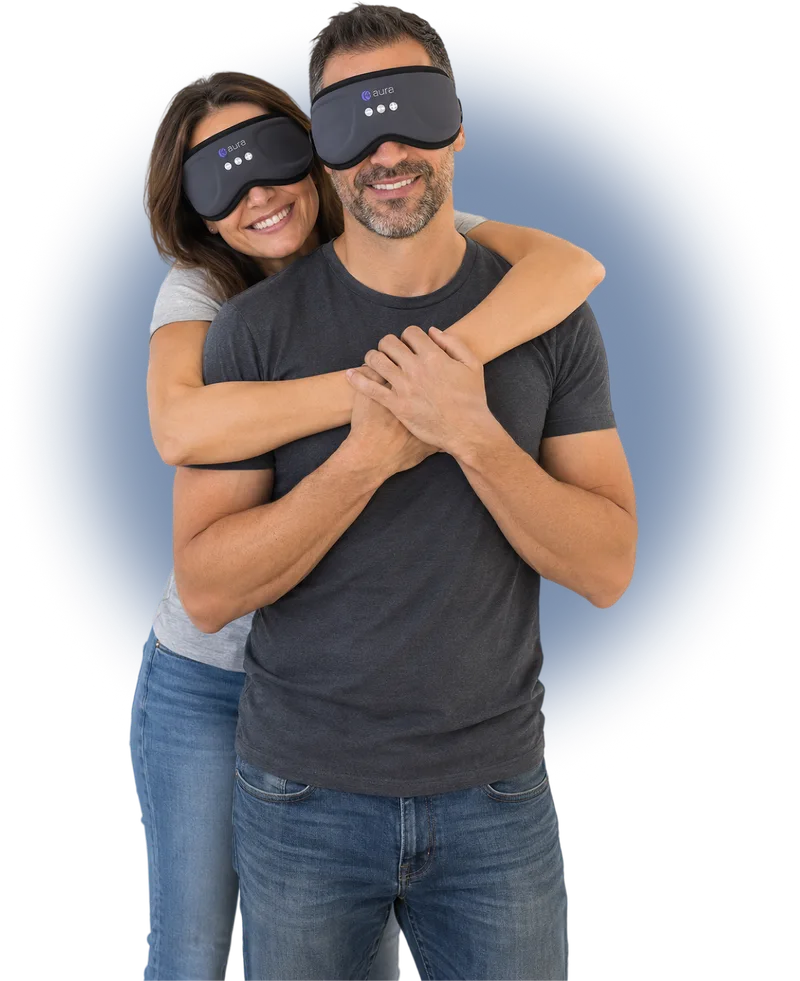
It is rated 4.8/5 across more than 17,000 verified customer reviews on the official store. With promo code SLEEP26 (50% off), a single mask is $59.99, a 2-pack is $53.99 per mask and a 3-pack is $47.99 per mask. See the packs side by side on the AURA overview page, or read our full AURA review.
Frequently asked questions
What is inemuri?
Inemuri is the Japanese habit of dozing briefly in public places such as trains or even at work, traditionally seen as a sign of hard work rather than laziness. The practical lesson is that a short, planned rest can help after a short night.
Is a siesta good for you?
A short nap in the early afternoon can help many people feel more alert. Long naps late in the day can make it harder to fall asleep at night, so keep it short and early, and do not use naps to replace a full night of sleep.
What is the Scandinavian sleep method?
It usually refers to couples sharing one bed but using two separate single duvets. Each person controls their own warmth and movement, which can mean fewer wake-ups from tugging covers or overheating.
Why do Nordic parents let babies nap outside?
It is a long-standing cultural tradition based on a love of fresh air, with babies well wrapped and supervised. For adults, the useful takeaway is simply a cool, well-ventilated bedroom.
Can a sleep mask help me borrow these habits?
Yes. Most sleep traditions rely on darkness and quiet. A Bluetooth sleep mask like the AURA blocks light and plays soft sound right over your ears, with an auto-shutoff that suits short naps as well as full nights.