Traffic at 2 a.m., a neighbor's TV through the wall, a snoring partner, a dog two houses down. Light sleepers have tried every trick in the house to get some quiet, from towels and pillows to old T-shirts tied over the eyes. Some of these homemade fixes genuinely help. Most of them stop working at exactly the moment you need them. Here are the eight DIY hacks people use most, what each one really does, where it falls short, and why a ready-made solution is usually the calmer path to a dark, quiet night.
Quick answer
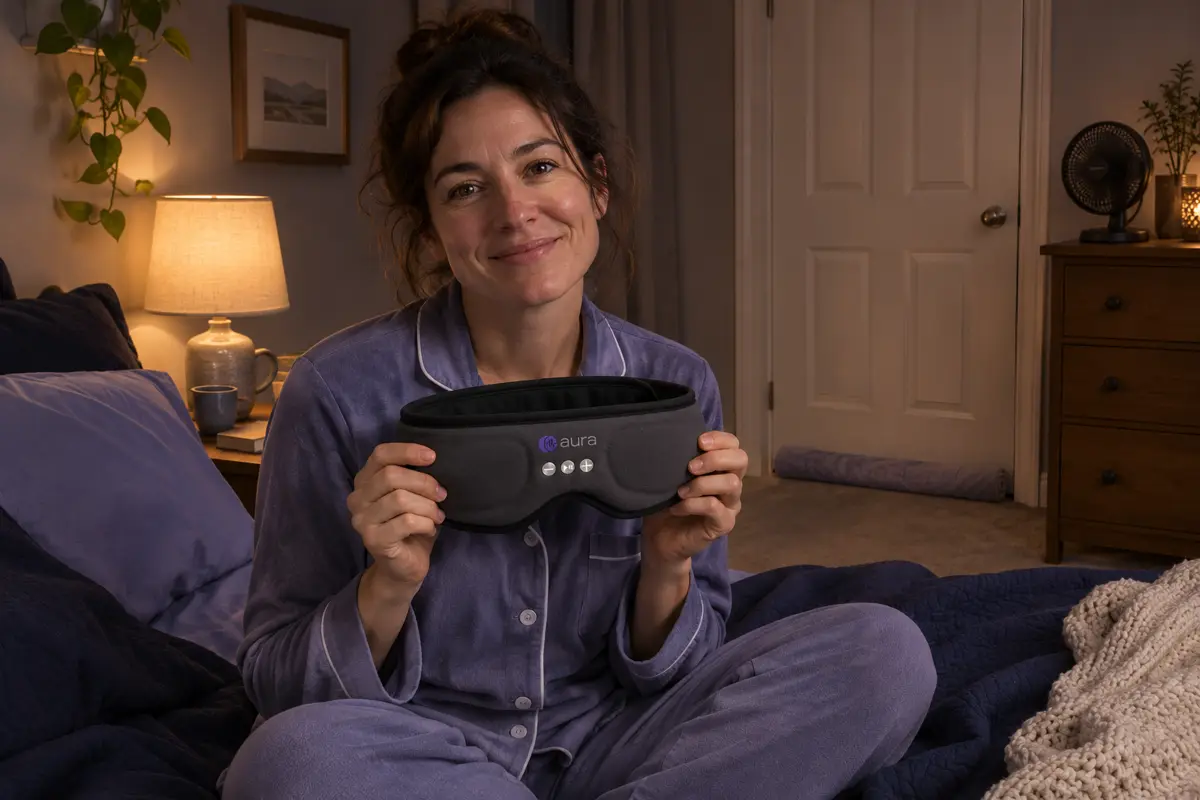
To block out noise while sleeping, combine two things: reduce the noise that gets in (seal the door gap, soften the room, move the bed away from the noisy wall) and mask what is left with steady, soothing sound close to your ears. DIY hacks such as a rolled towel under the door, a fan or a pillow over your head can take the edge off for free, but they are hit-or-miss, they often stop working mid-night, and none of them blocks light at the same time. For one tool that handles darkness and sound together, every night and in any room, we recommend the AURA Bluetooth Sleep Mask.
Why noise wakes light sleepers so easily
Your brain keeps listening while you sleep. Sudden, irregular sounds, such as a door slamming, a car horn or a snore that changes rhythm, are exactly the kind of signal it is built to notice, especially during lighter sleep stages. Steady sounds are much easier to ignore. That is why the best noise strategy is rarely silence; it is less sudden noise plus a steady sound layer. If you want to see how this plays out across a whole night, read a light sleeper's night, hour by hour.
The 8 DIY hacks: what they fix and where they stop
| DIY hack | What it really does | Where it stops |
|---|---|---|
| Rolled towel under the door | Blocks the gap where hallway sound and light leak in | Does nothing for windows, walls or a partner in the same bed |
| Pillow over your head | Muffles sound for a few minutes | Hot, awkward, slides off as soon as you fall asleep |
| Fan on the dresser | Steady sound that masks irregular noise | Plays for the whole room, can be drying, one sound only |
| Phone speaker with rain sounds | Flexible masking sounds for free | Small speaker, loud enough for the room, phone in bed tempts scrolling |
| Blankets, rugs and books on the noisy wall | Soft surfaces absorb some echo and sound | Big effort, modest effect on low traffic rumble |
| Moving the bed | Puts distance between you and the noisy wall or window | Not always possible in small rooms; does not help in hotels |
| Cotton balls or tissue in the ears | Very slight muffling | Barely works, can leave fibers in the ear; not recommended |
| T-shirt or scarf tied over the eyes | Blocks light, not sound | Presses on the eyes, shifts during the night, zero noise help |
Notice the pattern: the hacks that reduce noise do nothing for light, and the ones that block light do nothing for noise. Most also need to be rebuilt every night.
The DIY hacks worth keeping
- Seal the door gap. A rolled towel or a cheap door draft stopper is the single best free fix for hallway noise and light.
- Move the bed if you can. Even a few feet away from a shared wall or a street-facing window makes a difference.
- Use steady sound, not silence. A fan or soft rain sound masks the sudden noises that wake you. We explain how different sounds work in white vs. pink vs. brown noise.
- Keep the phone face down and set a timer if you use it for sounds, so the screen does not pull you back awake.
The DIY hacks to skip
- Anything small pushed into the ear canal that was not made for it, such as cotton balls, tissue or foam from packaging. It barely helps and can leave bits behind.
- Loud TV as background noise. Changing voices, music and bright flashes are the opposite of steady masking sound.
- Sleeping with full-size headphones. They press on the ears and jaw, especially for side sleepers, and many people wake up sore.
Where homemade fixes always fall short
Even the best DIY setup has three built-in limits. First, it only works in your own bedroom; hotels, planes, guest rooms and a partner's late-night reading lamp are a different story. Second, room-wide sound plays for everyone, which can bother a partner. Third, no household hack handles light and sound together, and light is often what wakes light sleepers first, from streetlights to early sunrise. That is the gap a purpose-built sleep mask is designed to close.
DIY vs. ready-made: the honest comparison
| What you need | DIY setup | Bluetooth sleep mask |
|---|---|---|
| Darkness | T-shirt or scarf that slips | Contoured blackout shell that stays put |
| Sound masking | Fan or phone speaker for the whole room | Thin speakers right over your ears, private to you |
| Partner-friendly | Not really | Yes, quiet for the person next to you |
| Travel | Start from scratch every time | Fits in a bag; same routine everywhere |
| Setup each night | Towel, fan, pillow, phone | Put it on, press play |
When noise is a sign of something else
If you wake up many times a night even in a quiet room, feel exhausted after a full night, or your partner notices loud snoring or pauses in your breathing, talk to a doctor. Sleep problems such as sleep apnea or insomnia need proper care, and no mask or hack replaces that. The CDC recommends at least 7 hours of sleep a night for adults.
Our recommendation: the AURA Bluetooth Sleep Mask
The towel under the door is worth keeping. For everything else, the AURA Bluetooth Sleep Mask is the option we recommend: it was designed exactly for light sleepers who want darkness and calm sound in one simple tool, at home or away.
- Complete darkness: a 3D contoured blackout shell that leaves your eyelids free, about 24 grams.
- Private sound right over your ears: ultra-thin speakers inside the band play rain, brown noise or a calm podcast from your phone, side-sleeper friendly and quiet for your partner.
- No phone in bed: its 1 to 2 hour auto-shutoff lets the audio fade out on its own, so the phone can stay across the room.
- Built for nightly use: Bluetooth 5.4, up to 10 hours per charge, and the electronics slide out so the fabric can be hand-washed.
- Risk-free: a 90-day money-back guarantee plus a 1-year warranty.
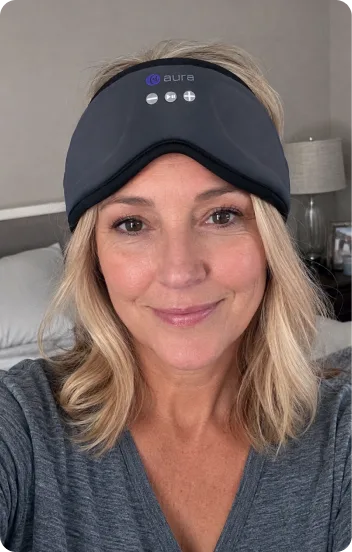
It is rated 4.8/5 across more than 17,000 verified customer reviews on the official store. With promo code SLEEP26 (50% off), a single mask is $59.99, a 2-pack is $53.99 per mask and a 3-pack is $47.99 per mask. Compare the packs on the AURA overview page, or read our full AURA review.
Frequently asked questions
How do you block out noise while sleeping without earplugs?
Seal the gap under the door with a towel or draft stopper, move the bed away from noisy walls or windows, add soft furnishings, and use steady masking sound such as a fan, rain or brown noise. A Bluetooth sleep mask puts that sound right over your ears and blocks light at the same time.
Does a towel under the door really help?
Yes, for hallway noise and light it is one of the best free fixes, because sound and light leak through the gap. It does not help with noise coming through windows or walls.
Is it better to sleep in silence or with background noise?
For light sleepers in noisy places, steady background sound usually works better than trying for total silence, because it masks the sudden noises that wake you. Keep the volume low and use a timer.
Is it safe to put cotton in your ears to sleep?
We do not recommend it. It barely blocks sound and fibers can stay behind in the ear canal. Use products made for the purpose or masking sound instead.
Can a sleep mask block noise?
A regular sleep mask blocks light only. A Bluetooth sleep mask such as AURA adds thin speakers over the ears, so you can mask noise with soothing sound while the contoured shell keeps your eyes in the dark.
What if noise is not the real reason I wake up?
If you wake up often even in a quiet room, feel unrefreshed after a full night or someone notices loud snoring or pauses in breathing, talk to a doctor to rule out sleep conditions such as sleep apnea.